Showing posts with label ReadWritePerform. Show all posts

Reading Comprehension through Disney Villain Songs

A couple of months ago, we released this eBook:


The feedback from the eBook has been fantastic! You can get a taste of what is included in the eBook by clicking here.

Building on this, I have now written and released another ebook, this time looking at Disney Villain Songs. 

Click the picture to download a copy.

This eBook is exclusive to the supporters of my Facebook page. This video explains all about the Facebook supporter page. 


Here is a taste of what is included in the Disney Villain Comprehension eBook:

Tangled - Mother Knows Best


You want to go outside? Why, Rapunzel...!
Look at you, as fragile as a flower
Still a little sapling, just a sprout
You know why we stay up in this tower
Rapunzel: I know but...
That's right, to keep you safe and sound, dear

What does Gothel compare Rapunzel to? A flower
What is a sapling? A young tree
What is a sprout? It can either be the shoot of a plant or describe a young plant growing.
Which word shows Gothel thinks Rapunzel is too young? Still
Why does Gothel compare Rapunzel to a flower? It links to the reason Gothel wants to keep Rapunzel in the first place, the magic flower.
How do you know Gothel has spoken about this before? Gothel starts the line with “You know why we stay.”
Can you think of a word to describe Gothel? Controlling, selfish, self-centered, manipulating.
What evidence from the text makes you think this? Open for discussion. She doesn’t let Rapunzel speak.
Why do you think they live in a tower? It keeps Rapunzel hidden away from the real world but also keeps her trapped.


The Little Mermaid - Poor Unfortunate Souls


The only way to get what you want is to become a human yourself
Can you do that?
My dear, sweet child, that's what I do
It's what I live for
To help unfortunate merfolk like yourself
Poor souls with no one else to turn to

What is it that Ariel wants? To be human.
Why does Ariel want to be human? She’s always been intrigued by humans on land, collecting items and she loves Prince Eric.
Why does Ursula address Ariel as a dear, sweet child? She is trying to lure Ariel into thinking she is trying to help.
Do you think Ursula does live to help others? No, she is saying this to mask her cunning, deceiving agenda.
What does the word unfortunate mean? It means to have or be marked by bad fortune; unlucky.
What does the word merfolk mean? Both mermen and mermaids.

How does the last line help Ursula trick Ariel? She is tricking Ariel into believing Ursula is her only hope, her only answer.

Lion King - Be Prepared


I never thought hyenas essential
They're crude and unspeakably plain
But maybe they've a glimmer of potential
If allied to my vision and brain


What does the word essential mean? It means absolutely necessary; extremely important.
Why are hyenas essential to Scar? With no backing from the military (the pride) for his coup, for the pride supports brother Mufasa, the wayward royal has had to seek military support from the traditional enemies of the kingdom in order to support his ambitions.
Why would scar have never thought hyenas would be essential? As he states in the next line they are crude and plain.
Does Scar see hyenas as an equal partner? He denigrates the hyenas. He clearly views them as dispensable tools, rather than deadly partners.
Why does he only see a glimmer of potential? He isn’t overly confident in the hyena's ability, but they’re his only hope. The word glimmer shows a slight, little chance.
What does the word allied mean? it means to join and work together.
Why does Scar use this word? It is a word closely linked to war and that is what Scar envisages, a war for the throne.
Can you think of a word that Scar might use to describe himself? Open for discussion, clever as he only thinks he’ll win if the hyenas use his brain. 

Click the picture to sign up and download a copy

Here is what supporters have received over the past couple of weeks:



Continuing our Journey with the #StopDirtyPalmOil campaign

A few weeks ago, I blogged about a project my Year 4 class had started, inspired by the recent Greenpeace advert - There's a Rang-Tan in my Bedroom. To read that blog post, which includes original questions linked to the advert, please click the picture:


The response we received from the video the class created where they wrote in role as a helpless Orangutan, seeing their home destroyed was so positive and empowering.  Again you can read more about this by clicking the picture above. If you haven't yet seen the video, here it is:


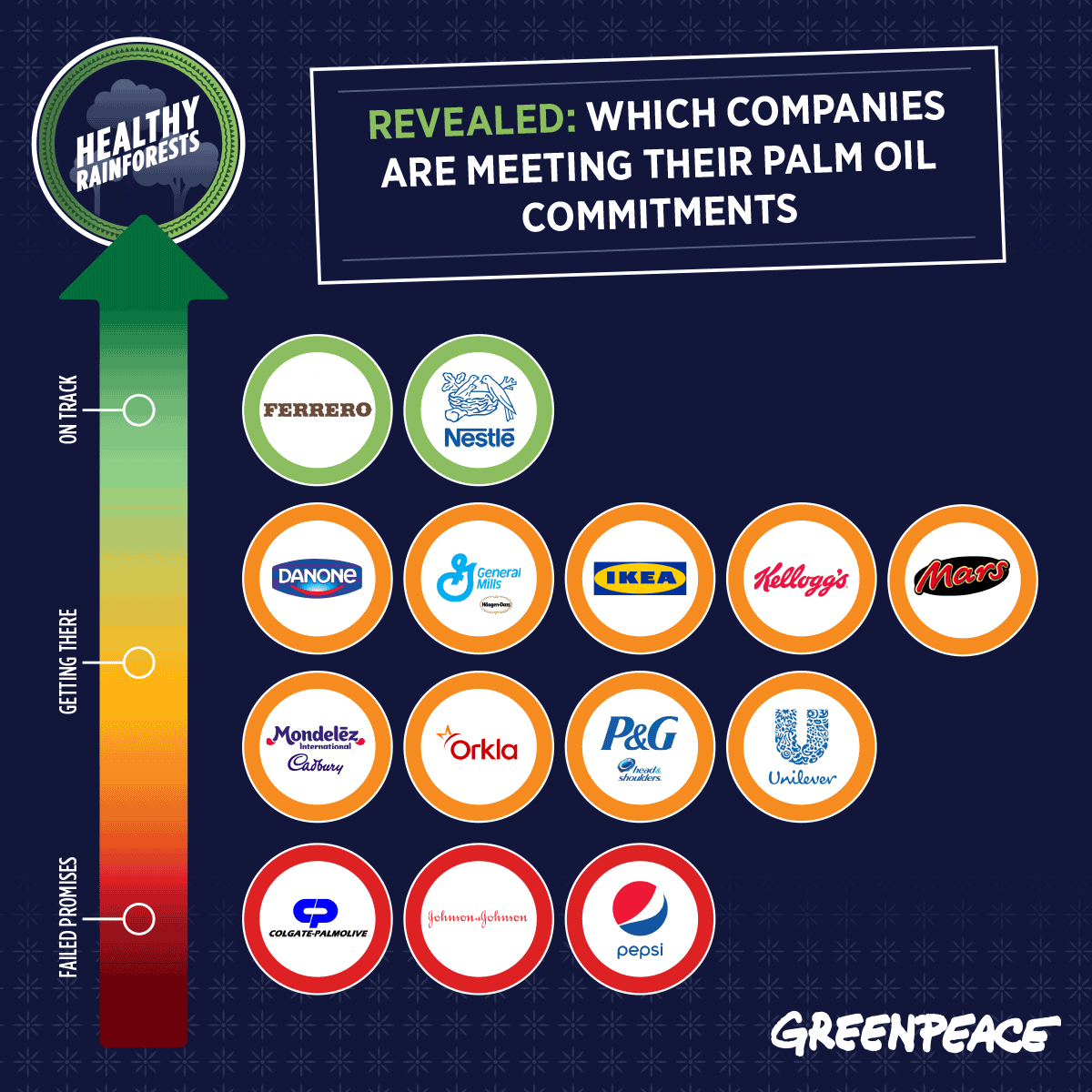
From the reaction to the video, my class were inspired to go further and investigate the issue more. We discovered this from Greenpeace, which identifies companies with links to Dirty Palm Oil:


According to Greenpeace, these companies made a promise to be clean of dirty palm oil by 2020. My pupils decided to write to these companies to provide a polite reminder and ensure they are on target to keep their promise. 

After drafting their letters, I gave quality oral feedback through our iPads, this is something I cover on all my CPD sessions and will also be demonstrating on my subscription page on facebook.


The pupils were then given the opportunity to transform their writing into a video using Adobe Spark Video. This is another example of the READWRITEPERFORM approach in action. These videos were then tweeted and emailed to all the companies identified in the above image. Here is an example from our pupils:


Please let my class know what you think by leaving a comment on this video on facebook.

So far, we've received a lot of replies from the companies. I can't wait to share them with my class as they'll see how their writing is making a difference:


We will keep you updated with this project as we continue to learn about it in class. 

5 Things Every Teacher Should Try In The New School Year!

As many of us are gearing up for the start of another academic year, I thought I would share some useful ideas and resources that will have you hitting the ground running in September. You can watch the video here:


Links to the ideas mentioned:


Reading Comprehension Through Disney Princess Songs


If you are a follower of this blog, you will know that I am a massive fan of using music in the classroom. I have often blogged examples of songs I have used to develop reading comprehension. Click the following image to see all the previous songs I have blogged:


To further improve reading comprehension the latest songs I have chosen to work on gives the opportunity for pupils to make valuable links and compare similar texts. All the questions have been put into a downloadable pack you can buy for JUST £1.99. 

Here is a taste of what is included in the pack:

The Little Mermaid - Part of Your World


Maybe he's right. Maybe there is something the matter with me
I just don't see how a world that makes such wonderful things could be bad...

Look at this stuff

Isn't it neat?

Wouldn't you think my collection’s complete?

Wouldn't you think I'm the girl

The girl who has everything?


  • Who is Ariel talking about when she says ‘Maybe he’s right’? Her Dad
  • Why do you think King Triton thinks Humans are bad? Humans pollute the oceans and also hunt the wildlife. 
  • What wonderful things do you think Ariel is talking about? Open for discussion.
  • What tells us Ariel is young? She uses the phrase ‘isn’t it neat’ and also references herself as a girl. 
  • What does she have a collection of? Human artefacts
  • How has she managed to get these objects? Shipwrecks
  • How do we know she has a lot of human artefacts? She says her collection is complete
  • Does she feel happy about the collection? A little, she wants more.
  • Why would you think she has everything? She has a good life, she is a princess which is what a lot of people desire

Frozen - Let it Go!


The snow glows white on the mountain tonight

Not a footprint to be seen

A kingdom of isolation

And it looks like I'm the queen

The wind is howling like this swirling storm inside

Couldn't keep it in, heaven knows I've tried


  • What does the lyric ‘not a footprint to be seen’ tell us? She’s alone
  • A kingdom of isolation is an example of what? A metaphor.
  • On a scale of 1-5 how big is this feeling of isolation? 5 due to the word Kingdom, not a room, house or street.
  • Why has the word Isolation been chosen? Play on the word ice
  • The wind is howling like this swirling storm inside is an example of? A simile
  • What verb is used to describe the wind? Howling
  • How does she feel about the storm inside from this word choice? Why? She feels scared, wolves howl and they are often depicted as fearful predators. 
  • Who is Elsa talking about when she sings ‘heaven knows I’ve tried’? Her parents, who pass away at the start of the film.

Moana - How Far I'll Go


I've been staring at the edge of the water

'Long as I can remember, never really knowing why

I wish I could be the perfect daughter

But I come back to the water, no matter how hard I try


  • What tense is used in the first line? Present perfect
  • Why has she chosen the word staring over looking? Staring gives the impression of concentration as shes really thinking hard.
  • What could the water be a metaphor for? The ocean water is a metaphor for the unknown, the Other, for thinking outside the box, for being a pioneer.
  • Where is the edge of the water? The shore
  • How do you know she’s been staring for a long time? As long as she can remember
  • If she doesn’t know why she’s staring at the water, why does she do it? She’s curious, there’s something inside that longs to explore. 
  • How does she feel about this longing for the ocean? Guilty
  • How do you know? She wishes she could be the perfect daughter
  • What does it mean to be the perfect daughter? Being the only child of the village chief, she is poised to be the next leader of her people, but at 16 years of age, she can’t help but long to explore the world and imagine different paths for herself. *Link her to Let It Go and the lyric ‘that perfect girl is gone.’


The pack also includes a 'making links' section for children to explore similarities and differences between the songs and themes. 

Removing Barriers in Reading Comprehension by improving Oral Speaking


Recently, I was asked to write an article for Teach Primary magazine alongside John Murray (@ReadingExplorer.) The topic was to explain the pedagogy behind the Read Write Perform approach. You can read the article here:


A big focus with Read Write Perform is to get teachers to value oral speaking skills and demonstrate how much speaking and listening benefits other areas of the English curriculum. I see with many schools the constant accountability of work in books through Book Scrutinies is forcing many teachers to neglect this part of the English Curriculum. This was something I discussed in Episode 1 of Taking Teaching Back:


The obsession with work in books can create barriers for certain children if writing is something they struggle with. I have seen this in maths and reading especially. If the only way a student can show their understanding and reasoning is by writing it as a full sentence in their book, it may look like they are struggling if writing is challengeing. 

Through technology, I have found this can remove that barrier for certain children. Tools such as the iPad allow students to record themselves discussing, explaining and reasoning which can be evidenced through apps like Seesaw. 

I wanted to share a recent example of this idea using a new feature to one of my favourite apps. Thinglink is a FREE app I have used for years. It is a brilliantly creative app where students can add digital content onto photographs. There are plenty of examples of how we have used the app in class, which you can read here. 

With a recent update, they have now added the feature of adding audio tags. So students can record audio and embed it onto a picture. 

I decided to use this for some comprehension using the song I blogged about recently:


After listening to and discussing the song, I challenged my Year 4 pupils to orally deconstruct the lyrics using Thinglink. I shared an image of the lyrics and the children added oral notes deconstructing, inferring and exploring vocabulary and word choice. This was then saved to our School Thinglink account where it was linked to the student's Seesaw profiles. 

Here is an example of their finished work:


This idea would easily lend itself to maths with children using the same strategy to evidence their reasoning with different questions and problems.

The students loved the opportunity to really delve into the text and discuss different key elements of the song without worrying about their writing. Of course, this wouldn't be something I would do all the time, but as I discuss on my training all the time, the key is balance.

Reporting from the scene of the Great Fire of London

We recently discovered the Read Write Perform has now been used in over 2000 schools around the world. This is incredible! For a fairly new approach, to see it grow so quickly has been amazing. The best part is the positive feedback we receive from teachers, who say it has revolutionised the way in which they teach English. At present, there are 10 packs, we have mapped out around 30+ to hopefully get to a point where schools could do a pack a half term from year 1-6. Unfortunately, due to the amount of detail and quality that goes into the packs, they take a while to write.

However, we love how teachers are now innovating on the approach. After trying one of the teaching packs, teachers and schools understand the pedagogy behind the approach and now use the overview to plan their English. This includes some of the teachers in my school. So Year 2 have been writing newspaper articles about the Great Fire of London. Using the ReadWritePerform approach, the children then performed their writing as live news broadcasts from the scene of the event. This motivated the pupils with their writing; adding purpose and an authentic audience. By performing their writing they were then improving their oral speaking skills as well as digital literacy skills.

Here are some of the student's examples:

Mr P's Round Up of Christmas Adverts - 2017


So it is that time of year again and already our TVs are flooded with different adverts. Over the past few years, I have blogged a number of ways to use some of the more popular adverts in class, which you can read here:

Mr P's round-up of Christmas Adverts 2016
Developing Emotional Literacy through a great Christmas Advert
John Lewis Christmas Advert 2015
John Lewis Christmas Advert 2014
Sainsbury's Christmas Advert 2014

So as Christmas is all about traditions, here are some ideas for this year's adverts.

Before I start I must mention some other resources worth checking out. Firstly, the Christmas Letter ReadWritePerform Pack:


There is also my eBook - The 12 iPad lessons of Christmas which you can download by clicking the picture:


So let's start with the most popular - John Lewis and their Moz the Monster advert:


Now as the advert doesn't have any text, John Lewis has provided a book to work alongside the advert. You can grab a copy here.

You may have also seen in the news this week that the fantastic Chris Riddel has likened the advert to his picture book - Mr Underbed. Read the article here. I would definitely grab a copy of the book and read it to ask my class whether Chris Riddell has a valid point. It would open a fantastic discussion around copyright and link very well to some digital literacy about using images and content online. This would provide opportunity to deconstruct and enjoy a quality text but also develop links by focusing on text to text similarities and difference. You can buy a copy of Mr Underbed here:

So here are some questions to pose when watching the video:

  • Pause at 5 seconds. Ask the children to share clues about the boy and his room - bed sheets, the book he is reading, his animal slippers etc. What can we infer from this about the boy? What words can we use to describe him?
  • Pause at 11 seconds. How is the boy feeling? How do we know? What could the noise be?
  • Pause at 16 seconds. How does the boy feel? How do we know? What about the monster? How does he feel? why do you think this?
  • Pause at 29 seconds. Is the boy happy about having a monster under the bed? How do you know? What has the boy done to try and sleep? Has it worked? Why?
  • Pause at 40 seconds. What has made the monster come out from under the bed? Why did he choose to do that? Who was more scared of each other - the boy or the monster?
  • Pause at 1 minute. How old is the monster? What makes you think this? Why do the boy and monster hide from Dad? What might happen if they get caught?
  • Pause at 1.10. What are the positives of having the monster under the bed? What are the negatives? Would you like a monster under your bed? Why?
  • Pause at 1.22. What does the monster realise? Why do you think? What do you think the monster will do?
  • Pause at 1.45. Why are they having to say goodbye to each other? How do they feel about it? Why do they feel this way?
  • Watch to the end. What did the monster give as a present? Why did he choose this gift? 
  • Do you like the story? Why/why not?
There is also this Bedtime Story of  Moz the Monster read by Sally Phillips:


What I like most about the advert is the song 'Golden Slumbers' by Elbow, which was originally performed by the Beatles. Here are the lyrics:

[Verse 1]
Once there was a way
To get back homeward
Once there was a way
To get back home

[Chorus]
Sleep, little darling, do not cry
I will sing a lullaby
Golden slumbers fill your eyes
Smiles awake you when you rise
Sleep, little darling, do not cry
And I will sing a lullaby

[Verse 2]
Once there was a way
To get back homeward
Once there was a way
To get back home

[Chorus]
Sleep, little darling, do not cry
And I will sing a lullaby

The lyrics were inspired by a poem by Thomas Dekker. Here is a copy of the original poem:

Golden slumbers kiss your eyes,
Smiles awake you when you rise.
Sleep, pretty wantons, do not cry,
And I will sing a lullaby:
Rock them, rock them, lullaby.


Care is heavy, therefore sleep you;
You are care, and care must keep you.
Sleep, pretty wantons, do not cry,
And I will sing a lullaby:
Rock them, rock them, lullaby.

I would use this poem and explore it.


  • After reading the poem ask the children what the poem is about? It is a lullaby designed to send a little baby off to the land of sleep. It is about a parent dealing with all the worries of another so they can be truly relaxed and serene. At this point you may need to clarify a lullaby.
  • What does the phrase Golden Slumber mean? Why has the author use the word golden? Why does he choose the verb kiss?
  • 'Smiles awake when you rise' tells us what about the baby? They are well loved, it shows us that the baby is be watched carefully by loving parents. Once the slumber is over, this baby will be confronted by love and happiness rather than troubles and worries.
  • What do you think the phrase 'pretty wantons' means? 
  • Why does the author repeat the words lullaby and rock them? The repetition of ‘lullaby’ and ‘rock them’ and the gentle rhyme at the end of each line. This is designed to be read softly and be soothing. It is describing the actions of the person singing it – ‘sing a lullaby’, while they ‘rock’ the baby to sleep.
  • In the second verse, the word care is used in three ways, in what ways is the word used? First, ‘care is heavy’ meaning that troubles and worries weigh us down and make life difficult. Then the baby is described as ‘care’ for someone else, as its parents have to watch over and worry about its health and happiness, so the baby is something for them to ‘care’ or worry about, but the baby itself is always kept free from worry.
  • Is this poem a happy or sad one? What makes you think this.
Relating back to the advert, ask the students to consider why this song/poem was chosen.


Aldi - Kevin the Carrot returns!


One cold Christmas Eve on snow-covered ground,
A carrot awoke to a most mysterious sound,
As he departed that magical night,
His heart skipped a beat it was love at first sight.

But a midnight express is no place to be,
Was it a murder? Only carrot could see,
And a turn of events caused a commotion,
A chance for our hero to show his devotion.

"Are you OK?"
"I think I just peed myself!"

So our carrots made tracks through the wind and the snow,
On the lookout for Santa, would they find him? Ho Ho Ho.


  • Why has the author described the weather at the start? How does this set the atmosphere for the story?
  • What does Kevin think the mysterious sound might be?
  • Why has the night been described as magical?
  • Why did Kevin's heart skip a beat? Why has the author made a link to his heart?
  • How do we know Kevin is on a train? What evidence from the text supports this?
  • What does the word commotion mean?
  • What caused the commotion?
  • What does the word devotion mean?
  • Why is Kevin's response funny? Pun on the word peed.
  • What is unusual about the phrase 'made tracks' linked in the video?
  • What might the train be?

Debenhams - #YouShall


After watching the advert, ask the pupils what story this is familar too and how they know? Ask them to then list the similarities and differences between Cinderella and this advert. 


Manchester City Council Advert


This advert has such a powerful message to discuss what has happened in Manchester this year. After watching the advert, discuss with your pupils how Santa must feel when he struggles to skate and how he overcomes it through the help of others. Use it as an opportunity to make connections to how Manchester came together after the tragedy. The symbol of the bee and everything that represents. 


Other adverts worth exploring:

Marks and Spencer - Paddington


Boots - #ShowThemYouKnowThem


Very - Get More Out of Giving

A Class Read for ReadWritePerform's Storm Pack

The latest ReadWritePerform teaching pack is now available:

The Storm: A Personification Pack challenges your students to read and deconstruct texts describing a storm, then write their own description and perform it as an interactive multimedia eBook.

The writing focuses on developing personification and multi-sensory description to bring the storm to life in the reader's mind.

Along with John's exemplar text, we also use the brilliant book - The Mousehole Cat written by Antonia Barber and illustrated by Nicola Bayley.

This is the stunningly illustrated story of the seaside village of Mousehole Cornwall, where Mowzer the cat lives happily with old fisherman Tom - Tom who rocks the rocking chair just right, and catches fresh fish for dinner every night. Their life is a happy one - until one terrible winter, the Great Storm-Cat comes clawing and snarling and leaping at the harbour walls, so that no boat can go out to sea to fish. Soon, with Christmas coming, there is no food left in Mousehole. It is then that Mowzer and Tom set out to brave the fury of the waves together, and discover that it might just need a cat's perspective to understand - and tame - the ferocious ways of the Great Storm-Cat sea. Gently yet powerfully told, this incredibly moving story of bravery, sacrifice and companionship inspired by Cornish legend is sure to connect with readers of all ages, new and old alike.

If you use this pack with your pupils, both myself and John highly recommend using this fantastic story to complement the pack. Here is a link to buy the book.


My Workshop at Reading Rocks

I had a wonderful time on Saturday at The District CofE Primary School at the second Reading Rocks conference. I want to thank Heather and the staff for all their hard work organising a fantastic event. I was very lucky to be able to host a workshop all about ReadWritePerform. You can see my workshop and how the RWP approach works:


I was also very lucky to be interviewed as part of @RussellPrue's live radio broadcast. You can listen to the interview here:


It was nice to have the opportunity to sit and listen to other inspiring keynotes and drop into @SmithSmm's brilliant workshop. What was great how the messages from the keynotes and workshop I attended complimented the key messages from my workshop.

A Class Read for ReadWritePerform's Picture Postcard Pack

The latest ReadWritePerform pack - Wish You Were Here: The Picture Postcard Pack - is now available to download.

This Unit of Work is aimed specifically at Key Stage 1 but can be adapted for lower Key Stage 2. Through reading, deconstructing and then writing a postcard of a recent holiday, children will then perform their postcard as a greenscreen video and link it through Augmented Reality to create an interactive video postcard. Each app has a step-by-step guide for teachers who may feel less confident using the technology.

The aim is to cover all elements of the English curriculum in an engaging and purposeful way using a variety of media.

Here is a snippet of the final piece of work your pupils will create through using the pack:


Within the pack, we recommend some books that complement the pack really well. We recommend you using these as your class read as there are many links between the pack and the books.


Meerkat Mail - Meerkat Mail is a brilliant picture book from Emily Gravett, the winner of the Kate Greenaway Medal. It has wonderfully detailed, witty artwork and a giant, glossy postcard flap to lift on every spread. Perfect for meerkat fans! 

This one we would really recommend as the story is told through postcards. 


Dear Dinosaur - After a trip to the museum, Max writes a letter to his favourite dinosaur, the mighty T. Rex - and the T. Rex writes back! As Max and T. Rex learn about each other's lives, a very unusual friendship develops in this funny and touching story from an award-winning duo. Dinosaur fans will love this interactive picture book with letters and cards to open, and dinosaur facts to discover along the way.


The Jolly Postman -  The Jolly Postman delivers cards and letters to various fairy-tale characters. He has a letter of apology for the three bears from Goldilocks, a postcard from Jack for the giant, a solicitor's letter on behalf of Little Red Riding-Hood for the wolf who ate grandma, and so on. There are six envelopes in the book, each containing letters, cards, postcards, etc.

A Class Read for ReadWritePerform's Crazy Creatures Pack

Recently. we discovered this amazing book that would complement our recent teaching pack - Crazy Creatures.

This Unit of Work is aimed specifically at Key Stage 1 but can be adapted for lower Key Stage 2. Through reading, researching and then writing an information text about a chosen animal, children will create their own Crazy Creature Fact File. The aim is to cover all elements of the English curriculum in an engaging and purposeful way using a variety of media. It also aims to foster within children their love of the natural world and help them to understand their role and responsibility to it.


Sloth Slept On is a picture book all about a group of children who find a sloth snoring away in a tree in their garden. Not knowing what it is, they set out to find out. While the two older children dream up increasingly outrageous possibilities, from an astronaut to a pirate, to a space creature, the youngest little girl investigates books and a globe and discovers what it really is and where it lives. But how can the children help the sloth to get home if it won't wake up?

This would be appropriate for KS1.


A Battle in Britain: A Historical Explanation Pack

I am so excited to announce that the latest Read Write Perform pack is now available. We hoped it would have been available a little bit earlier, so we can only apologise for this. We have been inundated with questions as so many people have been waiting for this one.

Hopefully, it will be worth the wait.


The year is 1066. William, Duke of Normandy, is livid: he thinks he should be king over Harold. He sets sail from neighbouring France with a great army - not just a thumbs up ‘great army’ but a ‘wow, that’s a rather large and intimidating ‘great army’.

The Battle of Hastings, The War of the Roses,  the Roman invasion, these are just a few of the significant events which have shaped Great Britain. Let your pupils retell these events in the form of a humorous report, just like Bob Hale from Horrible Histories. 

A Unit of Work aimed at Key Stage 2 & 3. Through reading, researching and then writing an explanation text about a significant historical event, children create their own humorous historical report. 

The aim is to cover all elements of the English curriculum in an engaging and purposeful way using a variety of media.  

With an additional focus on  Fluency for Meaning, this pack will help your learners appreciate the role of the narrator more fully. It will support them as they gain a better understanding of the narrator's role when reading aloud and help them to reflect upon how their voice can be used effectively, not simply to convey what is happening but also to bring the text to life. 

The pack also contains contextualised SPaG sessions that focus on shifts in formality and the impact this has on the audience. 

This pack includes:
  • Comprehension lessons that integrate and develop core reading skills at Word, Sentence and Text Level.
  • Writing lessons that encourage collaborative learning and independent creative writing that embeds grammar in a meaningful way and helps learners understand what it means to be a real writer, one who writes for an authentic purpose and with a particular audience in mind.
  • Performance lessons that develop reading fluency and a deeper understanding of their own work and that of others, as well as help improve personal social skills and confidence.

By the end of each Unit of Work, teachers will have written and video evidence of each of their students' work. This work can be shared with a wider audience, be assessed for moderation and will inform your future planning.


Here is a video explaining how Read Write Perform works:


Planet Earth: A Nature Documentary - The Latest ReadWritePerform Pack

It is finally here! Both myself and John Murray have been working very hard on the latest pack. We apologise that it has taken a little longer than hoped but we are so proud of this pack.

Introducing:


In this pack, the children read, deconstruct and then write their own information text about an animal which they perform by making their own nature documentary just like the legendary David Attenborough.

In fact, an excerpt from one of David's fascinating documentaries is featured as a comparative text. 

The Unit of Work is aimed at Key Stage 2 & 3.  The aim of our packs is to cover all elements of the English curriculum in an engaging and purposeful way using a variety of media.  

With an additional focus on  Fluency for Meaning, this pack will help your learners appreciate the role of the narrator more fully. It will support them as they gain a better understanding of the narrator's role when reading aloud and help them to reflect upon how their voice can be used effectively, not simply to convey what is happening but also to bring the text to life. 

The pack also contains contextualised SPaG sessions that focus on a how to add extra information through parenthesis and relative clauses.

This pack includes:

  • Comprehension lessons that integrate and develop core reading skills at Word, Sentence and Text Level.
  • Writing lessons that encourage collaborative learning and independent creative writing that embeds grammar in a meaningful way and helps learners understand what it means to be a real writer, one who writes for an authentic purpose and with a particular audience in mind.
  • Performance lessons that develop reading fluency and a deeper understanding of their own work and that of others, as well as help improve personal social skills and confidence.

​
By the end of each Unit of Work, teachers will have written and video evidence of each of their students' work. This work can be shared with a wider audience, be assessed for moderation and will inform your future planning.

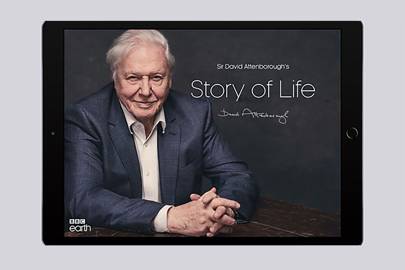
In addition, another app which will link perfectly to this unit of work is the Story of Life app. 


Here is an example of work produced following this scheme:


Click the picture to check out our other packs: